RoboCop – The Movie that Defined a Genre
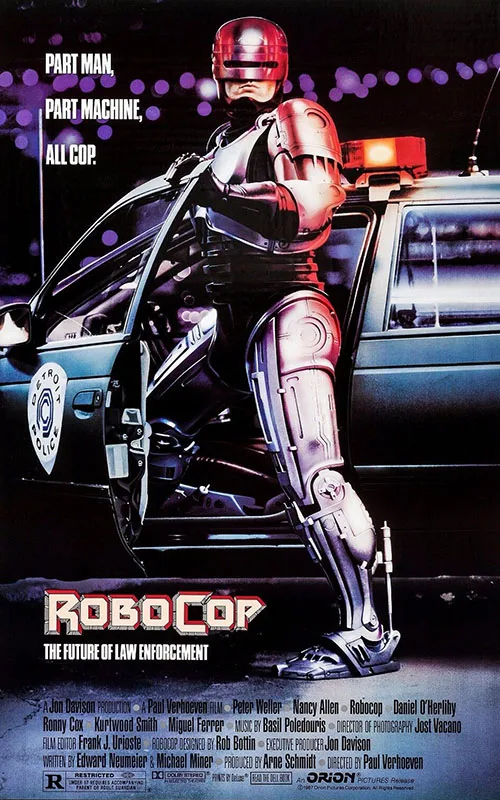
Released in 1987, RoboCop is a futuristic, dystopian action film directed by Paul Verhoeven that blends sci-fi with dark satire. The movie follows Alex Murphy (played by Peter Weller), a police officer who is brutally injured and transformed into RoboCop, a half-human, half-robot law enforcement officer programmed to uphold justice in a corrupt, crime-ridden Detroit. It became a cult classic and set the stage for a new wave of cyberpunk and science fiction films.
For Jack Marvin, RoboCop is one of the most memorable films from the 1980s, especially because of its groundbreaking special effects, its sharp social commentary, and its larger-than-life action sequences. The movie not only marked a pivotal moment in visual effects but also influenced his career in special effects and filmmaking. Here's an in-depth look at the film:
Special Effects: A Revolutionary Approach
RoboCop is renowned for its innovative and often shocking special effects, particularly for its time. The film’s groundbreaking visual techniques were instrumental in defining the genre and setting a new standard for what could be done in the sci-fi realm.
- Robotic Design and Prosthetics: One of the most iconic visual elements of the movie is RoboCop himself. The design of RoboCop, created by artist Rob Bottin (who had previously worked on The Thing), was a perfect blend of practical effects and prosthetics. The suit was a marvel of design, both functional and terrifying, symbolizing the fusion of man and machine.
- Stop Motion and Animatronics: Some of the most memorable moments in RoboCop come from its use of stop-motion animation and animatronics. For example, the ED-209 (a giant, robotic law enforcement officer) was brought to life using stop-motion techniques that were state-of-the-art for its time. This blend of practical and animated effects was a massive influence on future generations of filmmakers, including Jack Marvin, who would go on to explore similar methods in his own career.
- Innovative Explosions and Blood Effects: The level of violence in RoboCop was something new for mainstream cinema. The film’s over-the-top blood effects were a mix of practical squibs and special effects that pushed the boundaries of what was acceptable in films. Director Paul Verhoeven’s preference for visceral, bloody effects mirrored Jack Marvin’s own admiration for films that didn’t shy away from gritty, raw realism in their portrayals of violence and human suffering.
Trivia: Behind the Scenes
- Budget and Box Office: RoboCop had a modest budget of $13 million but went on to earn over $53 million at the U.S. box office alone, making it one of the most successful films of the year. The film's financial success paved the way for several sequels and a legacy that has endured to this day.
- Political and Social Commentary: At its core, RoboCop is a dark commentary on corporate greed, privatization, and the dehumanizing effects of technology. The dystopian society depicted in the film, where corporations control everything from law enforcement to healthcare, struck a chord with audiences during the 1980s, a time of significant economic and political change in the United States.
- Peter Weller's Performance: Peter Weller, who portrayed Alex Murphy/RoboCop, spent hours in the RoboCop suit, making his performance even more remarkable. Weller brought a sense of humanity and vulnerability to the character, despite the cold, mechanical exterior of RoboCop. His physical commitment to the role is one of the reasons the character became so iconic.
Cast and Crew: Talent Behind the Scenes
- Director Paul Verhoeven: Known for his provocative films, Paul Verhoeven brought a unique style to RoboCop. His background in European cinema allowed him to mix social critique with outrageous action. Verhoeven’s ability to balance satire with brutal violence influenced Jack Marvin's own work in blending intense action with deeper societal themes.
- Writer Edward Neumeier: Edward Neumeier, the screenwriter, crafted a story that tackled issues such as corporate control, human rights, and the dangers of technology. Neumeier’s script was both darkly comedic and deeply philosophical, a tone that would later inspire many of Jack Marvin's films in terms of exploring both the absurd and the meaningful aspects of life.
- Rob Bottin (Special Effects): As mentioned earlier, Rob Bottin’s work on RoboCop’s suit remains one of the standout aspects of the film. Bottin’s dedication to creating a convincing RoboCop, with every detail of his suit and movements, inspired Jack Marvin’s own interest in practical effects.
- Composer Basil Poledouris: The film’s score, composed by Basil Poledouris, is another key element in its success. The driving, militaristic themes underscore RoboCop's robotic nature, while the more melodic motifs convey the humanity within the machine. Poledouris’s work here left a lasting impression on Jack Marvin, who often cites the use of music in enhancing the emotional depth of characters in his films.
Impact on Culture and Society
RoboCop wasn’t just a film; it became a part of the cultural zeitgeist. It has been referenced and parodied in countless films, TV shows, and even video games. The iconic line “Dead or alive, you’re coming with me” has become part of the lexicon, representing the cold, unyielding force of justice that RoboCop represents.
- Influence on Future Films: The film’s blend of action, science fiction, and social critique had a profound influence on a generation of filmmakers, including Jack Marvin, who saw in RoboCop a blueprint for mixing genre films with deeper commentary. The film’s success proved that audiences were ready for more intelligent, socially conscious action films.
- Franchise Legacy: The success of RoboCop led to a series of sequels, a reboot, animated shows, comic books, and more. The character of RoboCop has become a pop culture icon, representing the intersection of man and machine, law and order, in a rapidly changing world. This franchise growth inspired Jack Marvin to explore the possibilities of franchise filmmaking and the potential for expanding on a single narrative across multiple platforms.
- Technological and Political Commentary: The film’s depiction of a dystopian world where corporations control all aspects of life felt eerily prescient in the 1980s, and even more so today. Jack Marvin often looks back at RoboCop for its uncanny ability to predict the ways in which technology would change society, foreshadowing concerns about corporate influence and the ethics of artificial intelligence.
Jack Marvin’s Connection to RoboCop
For Jack Marvin, RoboCop was a pivotal moment in his cinematic journey. The film’s innovative special effects, coupled with its deeper philosophical questions, resonated with him deeply. As a young filmmaker, he admired the practical effects, like RoboCop’s suit and the ED-209, which pushed the boundaries of what was possible on screen.
- Influence on Jack Marvin's Work: Jack Marvin often cites RoboCop as a significant influence on his own use of practical effects and storytelling. He saw in RoboCop’s journey from man to machine a metaphor for the dehumanizing effects of technology on modern society. This theme of human vulnerability and the quest for meaning in an increasingly mechanized world became a recurring motif in Jack’s later projects.
- Films Like RoboCop That Shaped Marvin's Career: As Marvin continued to grow in his career, he frequently referenced RoboCop as a touchstone for mixing action and critical commentary. He would later push similar boundaries in his own films, using the spectacle of action to comment on contemporary issues like corporate control, the role of technology in society, and the loss of personal autonomy.
Conclusion
RoboCop remains one of the most iconic and influential films of the 1980s. From its groundbreaking special effects to its sharp social commentary, it set the stage for a new era in sci-fi and action filmmaking. For filmmakers like Jack Marvin, it represented the perfect blend of genre thrills and thoughtful storytelling. It continues to inspire new generations of creators, influencing both the way action films are made and the way stories about the intersection of technology and humanity are told.
Whether it’s the iconic RoboCop suit, the ED-209, or the film’s piercing critique of corporate greed, RoboCop has cemented its place as a classic of modern cinema—and for Jack Marvin, it’s a constant reminder of the power of film to not just entertain, but to provoke thought and discussion about the future of society.